
Instructional Design Group® is dedicated to providing training and development programs designed to a higher, industry-recognized standard. Our courses will focus on building knowledge of the codes and standards that are adopted and specified across trades and industries.
Instructional Design Group® "IDG", has founded IDG University to offer Online and Virtual Training. Our courses are designed per ANSI/ACET 2018, Standard for Continuing Education and Training, and award Continuing Education Units (CEU's).
Browse our online, on-demand courses by category.

TRAINING CATEGORIES
Essential Skills
These courses are designed to provide the foundation for a competent engineering technician to develop skills used in all disciplines.
Building Systems
Courses cover the codes and standards associated with buildings and specialized systems.
Fire Alarm Systems
Topics include fire alarm systems and signaling system courses.
Fire Suppression Systems
Courses include various special hazard suppression systems to include Foam, CO2 and Clean Agents.
NFPA Approved
Training is created by NFPA and is presented by a NFPA approved instructor.
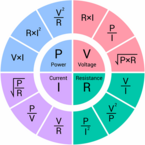
Ohm’s Law is a formula that was first published in 1827, and was derived from the observations of the relationship between voltage, current and resistance that was made by Georg Ohm. Ohm’s Law is used in the design of electrical circuits; the troubleshooting of electrical circuits using measurements compared to known values; and calculating the proper battery and power supply sizing. Ohm’s Law applies to any device, equipment, or component that is electrical in nature. Knowledge and practical application of Ohm’s Law is a skill that will enhance electrical competence.
This course is approved by the International Code Council (ICC).
Code: NFPA 70 (2026) | CEU's: 0.4 | Cost: $45.00 | Access: 30-Days | ICC Course No.: 50865 | On-Demand/Instructor-Led

Physical science is the study of the laws and systems that are associated with matter and energy. The characteristics of matter and its properties have an influence over every body that takes up space. Matter is acted upon by energy which represents the ability to do work. Matter is anything that takes up space, and energy can neither be created, nor destroyed. Physical science plays a role in the disciplines of engineering technicians, and a knowledge of how the universe behaves will enhance competence. This includes the ability to perform basic mathematical calculations to describe phenomenon’s that occur between matter and energy. And to be able to anticipate how environmental conditions will affect system operation and reliability.
This course is approved by the International Code Council (ICC).
Code: N/A | CEUs: 0.6 | Cost: $65.00 | Access: 30-Days | ICC Course No.: 50866 | On-Demand/Instructor-Led
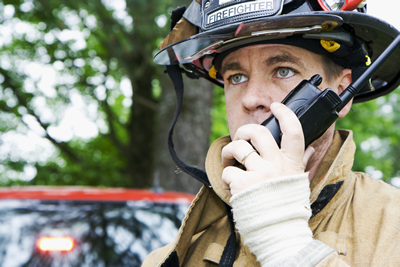
Bi-Directional Amplifier (BDA) Systems is a term that frequently refers to Emergency Responder Communication Enhancement Systems (ERCES). The purpose of these systems is to ensure hand-held radio coverage in buildings for first responders. Firefighters are first responders, but the term also includes police and emergency medical personnel. ERCES were developed due to the lack of in-building communication during operations at the World Trade Center terrorist attack on September 11, 2001. The design and installation of BDA systems are required to be performed by qualified individuals. The operation of BDA systems, or lack of, can result in the loss of life.
This course is approved by the International Code Council (ICC).
Code: IFC (2024), NFPA 70 (2023), NFPA 1225 (2022) | CEUs: 0.5 | Cost: $65.00 | Access: 30-Days | ICC Course No.: 46557 | On-Demand/Instructor-Led

The International Building Code, or IBC, is published by the International Code Council (ICC) and applies to all buildings and structures. The purpose of the IBC is to provide the minimum requirements to provide a level of life safety and property protection from the hazards of fire, and other dangerous conditions. This protection extends to firefighters and emergency responders. This course will focus on the requirements pertaining to fire alarm and detection systems.
This course is approved by the International Code Council (ICC).
Code: IBC (2024) | CEU's: 0.8 | Cost: $85.00 | Access: 30-Days | ICC Course No.: 52842 | On-Demand/Instructor-Led
Fire Alarm Technician Training is designed to present the skills and knowledge to produce competent fire alarm technicians who install, inspect, test and maintain fire alarm and signaling systems. The course is comprised of nine modules covering Physical Science, Ohm’s Law; Fire Alarm System Fundamentals; Fire Alarm System Documentation; Fire Alarm System Initiating Devices; Fire Alarm System Notification Appliances; Fire Alarm Systems; Inspection, Test and Maintenance (ITM); and Protected Premises Fire Alarm Systems.
The course is designed for entry-level to intermediate fire alarm technicians and will present the topics one can expect on the NICET Fire Alarm System (FAS) Level I/II exam(s). Companies or organizations who enroll five or more qualify for a 15% discount. Contact Us to register your group.
This course is approved by the International Code Council (ICC).
Code: NFPA 70 (2026), NFPA 72 (2025) | CEUs: 4.8 | Cost: $165.00 | Access: 10-Weeks | ICC Course No.: 50858 | Instructor-Led
Start Date: October 5, 2026.

NFPA 72, the National Fire Alarm and Signaling Code, provides the minimum requirements for the basic functions and system fundamentals for fire alarm systems. The purpose of fire alarm and signaling systems is to protect life and property. Fire alarm system fundamentals govern the aspects of the equipment; system design and installation; the qualification requirement of personnel; power supplies; and system signals. Documentation is a fundamental, and the topic is covered in its own course; Fire Alarm System Documentation.
This course is approved by the International Code Council (ICC).
Code: NFPA 70 (2026), NFPA 72 (2025) | CEU's: 0.5 | Cost: $55.00 | Access: 30-Days | ICC Course No.: 50870 | On-Demand/Instructor-Led

The Fire Alarm and Signaling Code, NFPA 72, requires that all aspects of a fire alarm system design, testing, service, repair and acceptance be documented. This requirement applies to new and existing systems, and it does not limit additional documentation from being generated. NFPA 72 has combined all the documentation requirements into Chapter 7 of the code. The documentation associated with fire alarm and signaling systems ensure the equipment is properly maintained and will perform as designed during a fire or other emergency. The Authority Having Jurisdiction (AHJ) will make periodic inspections to ensure fire alarm and signaling systems are properly maintained by examining required documentation.
This course is approved by the International Code Council (ICC).
Code: NFPA 72 (2025) | CEU's: 0.5 | Cost: $55.00 | Access: 30-Days | ICC Course No.: 50871 | On-Demand/Instructor-Led
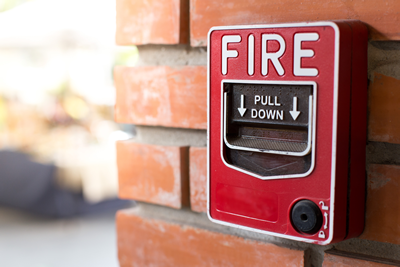
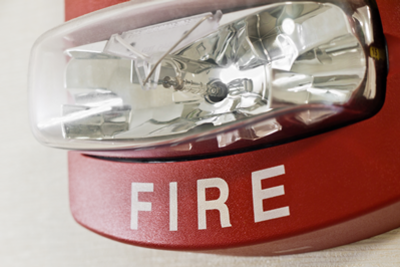
Fire alarm and signaling systems rely on initiating devices to transmit a change-of-state, which signal is processed by programming to activate outputs. Initiating devices attached to a fire alarm system are either automatic, or manually activated. Initiating devices detect particles of combustion, heat, gases, temperature, position of valves and monitors equipment. The performance of initiating devices requires the proper selection, location according to NFPA 72, the Fire Alarm and Signaling Code.
This course is approved by the International Code Council (ICC).
Code: NFPA 72 (2025) | CEUs: 0.5 | Cost: $55.00 | Access: 30-Days | ICC Course No.: 50872 | On-Demand/Instructor-Led
This course is approved by the International Code Council (ICC).
Code: NFPA 72 (2025) | CEUs: 0.5 | Cost: $55.00 | Access: 30-Days | ICC Course No.: 50873 | On-Demand/Instructor-Led

The Protected Premises Alarm and Signaling System is the basis of all other systems found in the National Fire Alarm and Signaling Code, NFPA 72. The purpose of a Protected Premises Alarm and Signaling Systems is to protect life and property from the losses due to fire within the building they are installed, and NFPA 72 allows Dedicated Systems. Dedicated systems will perform emergency control functions to enhance the survivability during a fire when building codes do not require a fire alarm system. The features of a protected premises are the basic fundamentals that are found in dedicated systems, fire alarm systems and emergency voice and communication systems.
This course is approved by the International Code Council (ICC).
Code: NFPA 72 (2025) | CEUs: 0.5 | Cost: $55.00 | Access: 30-Days | ICC Course No.: 50874 | On-Demand/Instructor-Led

The inspection, testing and maintenance (ITM) of fire alarm and signaling systems will start when the system is commissioned, and end when it is removed from service. The National Fire Alarm and Signaling Code (NFPA 72) requires periodic inspections and testing to ensure systems will operate as designed. Fire alarm and signaling systems are required to be maintained, and deficiencies or impairments found during inspections and testing must be corrected. The periodic Inspection, testing and maintenance is performed according to NFPA 72 by qualified personnel, and the responsibility of the Owner.
This course is approved by the International Code Council (ICC).
Code: NFPA 72 (2025) | CEUs: 0.5 | Cost: $55.00 | Access: 30-Days| ICC Course No.: 50875 | On-Demand/Instructor-Led
The purpose of fire alarm systems is to enhance the chance of survivability in a building during a fire. Fire alarm systems perform this goal when the equipment is properly installed, according to a design by a qualified person. Fire alarm equipment includes the control panel, initiating devices and notification appliances. Fire alarm systems also interface with other buildings systems to control the spread of smoke, and used by responding emergency forces. The types of fire alarm systems can be dedicated to a building function, the evacuation of occupants during a fire, and to also summon aid.
This course is approved by the International Code Council (ICC).
Code: NFPA 70 (2026), NFPA 72 (2025) | CEUs: 0.8 | Cost: $85.00 | Access: 30-Days | ICC Course No.: 50867 | On-Demand/Instructor-Led
Suppression System Technician Training is a nine-week course designed to present the skills and knowledge to produce competent technicians who install, inspect, test and maintain fire suppression systems. The course is comprised of eight modules covering Physical Science, Ohm’s Law; Automatic Sprinkler Systems; Foam Suppression Systems; Carbon Dioxide Suppression Systems; Clean Agent Suppression Systems; Fire Alarm Systems; and Fire Alarm System Inspection, Test and Maintenance (ITM).
The course is designed for entry-level to intermediate fire alarm technicians and will present the topics one can expect on the NICET Special Hazard Systems (SHS) Level I/II exam(s).
This course is approved by the International Code Council (ICC).
Code: NFPA 11 (2024), NFPA 12 (2025), NFPA 70 (2026), NFPA 72 (2025), NFPA 2001 (2024) | CEUs: 4.3 | Cost: $150.00 | Access: 9-Weeks| ICC Course No.: 53441 | On-Demand/Instructor-Led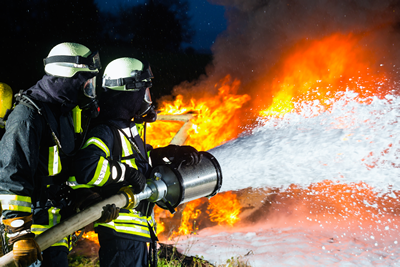
This course is approved by the International Code Council (ICC).
Code: NFPA 11 (2024) | CEUs: 0.5 | Cost: $55.00 | Access: 30-Day | ICC Course No.: 50863 | On-Demand/Instructor-Led
This course is approved by the International Code Council (ICC).
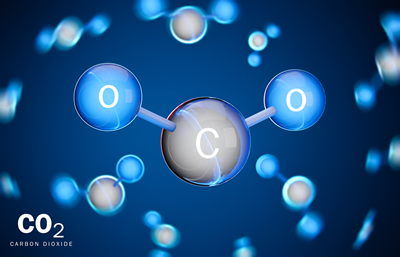
Carbon Dioxide (CO2) Suppression Systems are used in fire protection to extinguish a fire with the use of CO2 gas. This course will address the applications protected and the characteristics of the extinguishing agent. Safety protocols and the proper personal protective equipment to handle carbon dioxide in liquid and gas states, and preventing occupant exposure will be covered. The types of CO2 systems will be presented to include the design of pipping and distributions systems. The methods and frequency for testing and inspections will be provided for all systems. Carbon dioxide requirements are found in NFPA 12, Standard on Carbon Dioxide Extinguishing Systems.
This course is approved by the International Code Council (ICC).
Code: NFPA 12 (2025) | CEUs: 0.6 | Cost: $65.00 | Access: 30-Days | ICC Course No.: 51352 | On-Demand/Instructor-Led
Get one-of-a-kind training that prepares you to identify wildland fire risks to structures and confidently recommend effective safety measures to property owners.
This interactive, redesigned NFPA Assessing Structure Ignition Potential from Wildfire Training is based on fire science research into how homes and other structures ignite during wildfires and covers wildfire behavior, structure exposure, and the concept of the Home Ignition Zone. You’ll learn how to analyze wildfire risks to structures and provide actionable advice to property owners through an activity-rich curriculum, n a learning environment that encourages discussion and interaction, sessions are taught by wildland fire specialists who understand how and why homes and communities are destroyed during wildfire events and the simple things that residents can do to minimize property loss. Help Protect Your Community with Wildfire Mitigation Training from NFPA-Approved Instructors.
Assessing Structure Ignition Potential from Wildfire (ASIP) [2023] | 1.4 CEUs | $770 (USD)
NFPA Instructor: Steve C. Markason

This instructor-led training covers the code requirements found in the 2019 edition of NFPA 51B, Standard for Fire Prevention During Welding, Cutting, and Other Hot Work, including, determining code requirements, types of hot work, fuel and ignition sources, identifying hazards, interpreting permits, and defining roles and responsibilities of the hot work safety team.
Mandatory program in Boston and Massachusetts.
The City of Boston requires a Hot Work Safety Certificate for all persons engaged in hot work operations on the work site. Other states and jurisdictions are exploring the implementation of similar requirements.
NFPA 51B: Hot Work Safety [2019] | 0.2 CEU's | $130 (USD)
October 16, 2026 | 1:00pm - 2:00pm EDT | Type: Live-Virtual Training (LVT)
NFPA Instructor: Jason Thomas
Watch Video | Download Brochure | REGISTER
This program covers how the role of traditional fire alarm systems continues to evolve and strategies for accurately and efficiently locating, interpreting, and applying NFPA 72 National Fire Alarm and Signaling Code, criteria
This Instructor Led Training offers comprehensive guidance on the National Fire Alarm and Signaling Code and help ensure you stay up to date with the latest standards and best practices. This cutting-edge training covers key aspects such as system design, performance, inspection, testing, and maintenance protocols and is ideal for fire safety professionals, engineers, and contractors.
NFPA 72, National Fire Alarm and Signaling Code [2025] | 2.1 CEU's | $1,155 (USD)
NFPA Instructor: Paul J. Inferrera, SET
* - Required